If you picture coastal Maine as an occasional weekend escape, Scarborough may surprise you. This is a town where beaches, marsh views, trails, and daily routines often sit side by side, but where real life still means school drop-offs, commuting, errands, and planning around summer traffic. If you are wondering what everyday coastal living in Scarborough, Maine actually looks like, this guide will help you understand the lifestyle, housing options, and practical tradeoffs that come with it. Let’s dive in.
What living in Scarborough feels like
Scarborough feels more like a collection of residential areas than a single compact downtown. The town describes itself as one of Maine’s fastest-growing communities, and Census QuickFacts estimates the population at 24,547 as of July 1, 2025, which is up 11.0% from 2020.
That growth does not mean the town feels rushed. With 77.4% of housing units owner-occupied and 24.7% of residents age 65 and older, Scarborough often comes across as established, residential, and settled even as new development continues.
A big part of that identity comes from the natural setting. Scarborough is closely tied to its shoreline, tidal areas, and preserved land, with Scarborough Marsh identified by the town as the largest contiguous tidal marsh in Maine.
Coastal access shapes daily life
For many buyers, the biggest draw is simple: you are close to the water in ways that can become part of your normal routine. Scarborough has four public beaches, including Higgins Beach, Pine Point, Ferry Beach, and Scarborough Beach State Park.
Each beach offers a slightly different feel. Higgins Beach sits in a residential setting with a long local history, Ferry Beach is more sheltered and can feel calmer at low tide, and Pine Point offers a long sandy stretch along Saco Bay.
That said, beach access is managed and seasonal. The town’s beach pass covers Higgins Beach, Pine Point, and Ferry Beach, while Scarborough Beach State Park is separate and not included in the town pass.
In peak season, parking takes some planning. The town manages access through passes, meter parking at Higgins Beach, and daily rates at town lots, so part of everyday coastal living here is learning how to time your outings and navigate summer demand.
Trails and open space add balance
Scarborough’s appeal is not only about the beach. Trail systems, preserves, and open land are a major part of daily life, especially if you want outdoor access beyond the shoreline.
The town lists local options such as Pleasant Hill Preserve, Sewell Woods, Libby River Farm, Broadturn Farm, Fuller Farm, Springbrook Park, Warren Woods, Willey Recreation Area, Memorial Park, Peterson Field Sports Complex, and Scarborough River Wildlife Sanctuary. The Eastern Trail also runs through the area as part of a 65-mile regional route from South Portland to Kittery.
This access matters because it gives Scarborough a more layered lifestyle. You can enjoy coastal scenery, but you also have forests, marsh edges, recreation fields, and conservation areas woven into the town.
Scarborough Land Trust says it has conserved more than 1,600 acres in town. That conservation focus helps explain why so many parts of Scarborough feel protected and residential even as the community grows.
A town built around neighborhoods
Scarborough’s layout influences how daily life works. Rather than centering everything around one downtown district, the town tends to function through neighborhood areas, commercial corridors, recreation spaces, and coastal pockets.
For you, that often means your day-to-day experience depends a lot on where you live. A home near the beaches may give you easier shoreline access, while an inland condo or neighborhood setting may offer a different price point and a more commuter-oriented rhythm.
This is one reason local guidance matters in Scarborough. Two homes can both be in town, but the feel, convenience, and access to the lifestyle you want can be very different.
Commuting and getting around Scarborough
Scarborough is still largely road-centered. Town transportation materials highlight Route 1, the Maine Turnpike, and ongoing transportation improvements tied to growth and development.
One of the biggest long-term changes is The Downs, which the town identifies as the largest single development project in Scarborough. That project is helping drive significant transportation-network improvements, which shows both the opportunity and the pressure that come with a growing community.
In practical terms, many residents still rely on a car for most errands, work commutes, and daily movement. If you are considering Scarborough, it helps to think honestly about how often you need quick highway access, how close you want to be to Route 1, and how much seasonal traffic may affect your routine.
Public transit is improving. Greater Portland Metro says new fixed-route and on-demand service is expected in mid- to late-2026, with service planned along Route 1 and connections to Portland through South Portland.
Scarborough is also currently served along Route 1 by BSOOB Transit Route 60. For regional travel, nearby Downeaster service is available in Portland and Saco, and Portland International Jetport serves the region.
Everyday amenities for residents
A big part of living well in Scarborough is having useful civic amenities close to home. Scarborough Public Schools says the town has six public schools serving kindergarten through adult education, and the school campus is close to Scarborough Public Library.
The library adds more than book access. It offers evening hours several days a week, meeting rooms, museum passes, home delivery, and language-learning resources, which can make it a meaningful day-to-day resource for many households.
Town leadership also highlights offerings such as open skating and summer camp. These kinds of services may not sound flashy, but they often shape whether a town feels convenient, connected, and workable over the long run.
Scarborough housing options at a glance
Scarborough’s housing market offers a broad range, but demand remains strong. Zillow’s Scarborough home-value index put the typical home value at $691,375 as of May 31, 2026, with homes going pending in around 7 days.
At the same time, Redfin’s recent three-month data showed a median sale price of $519,689, about 39 days on market, and roughly 4 offers on average. These figures are not directly interchangeable because they measure different things over different time periods, but both point to an active market.
Longer-range Census QuickFacts data adds context. For 2020 through 2024, the median owner-occupied home value was $551,900, median monthly owner costs were $2,681 with a mortgage and $887 without one, and median gross rent was $1,956.
What this means for you is that Scarborough is not one-price-fits-all. It has entry points, but it also has strong upper-tier pricing, especially for newer, beach-adjacent, or more location-sensitive properties.
What types of homes you can find
The current listing mix is one of Scarborough’s strengths. Active listings have included single-family homes from the mid-$300,000s upward, while condos have ranged from roughly the low $200,000s to well above $2 million.
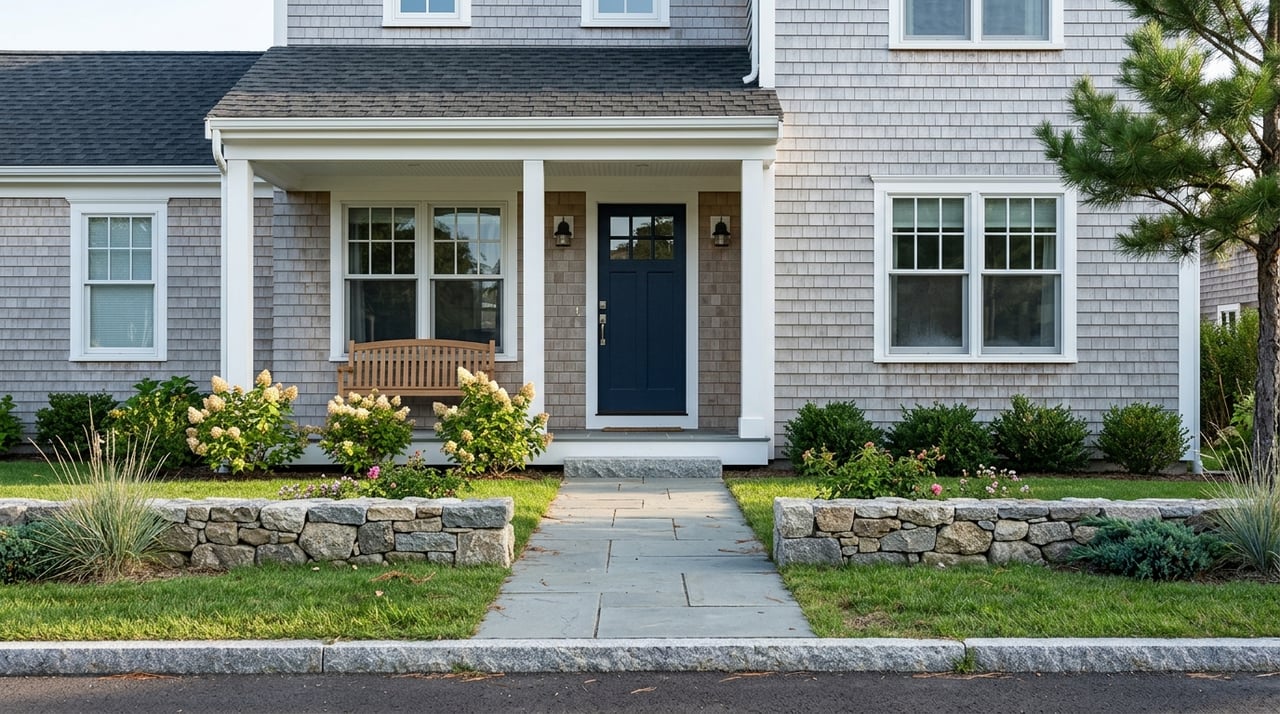
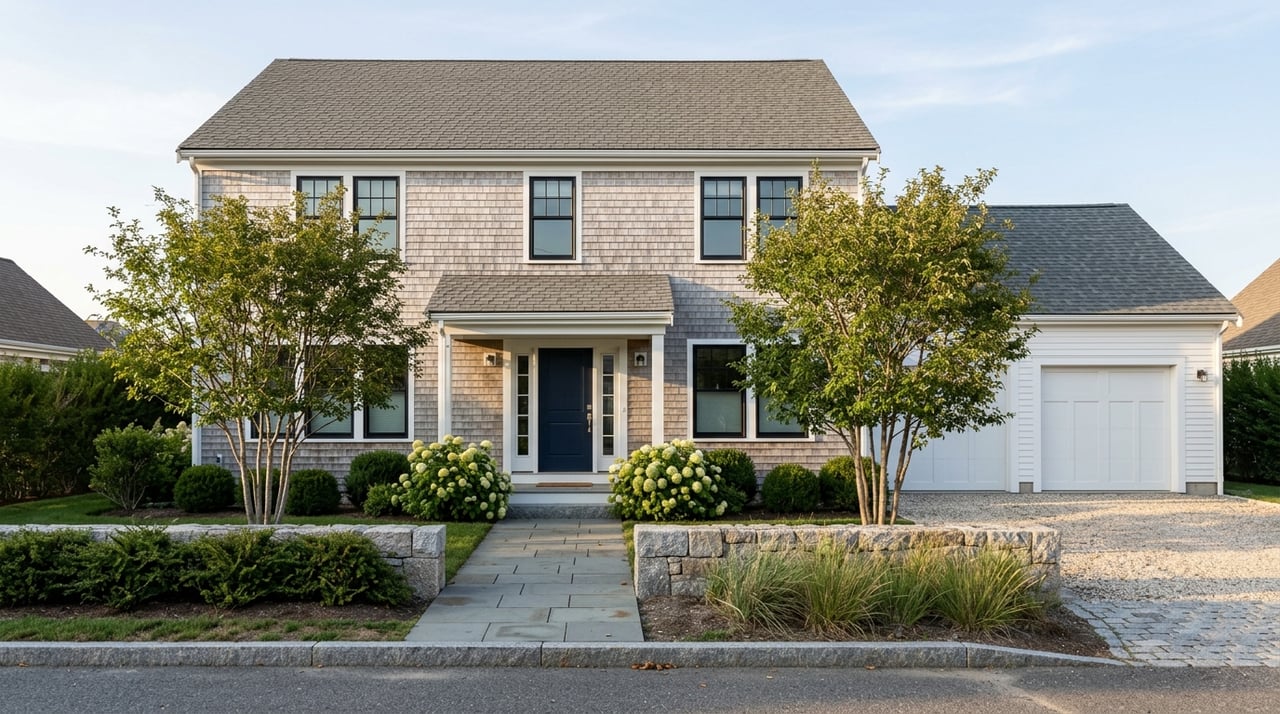
Home styles also vary. Recent examples include ranches, capes, colonials, raised-ranch or split-level homes, and townhouse condos.
This variety gives buyers several ways to enter the market. Some inland condos and older homes may offer a lower starting point, while beach-adjacent homes, newer construction, and coastal properties often push into the upper $700,000s, $800,000s, and seven-figure range.
Who Scarborough fits best
Scarborough tends to appeal to buyers who want coastal access without giving up the structure of everyday suburb life. If you want beaches and trails to be part of your week, but also need practical access to roads, services, and regional connections, the town offers a compelling balance.
It can also work well if you are planning for the long term. The owner-occupied housing rate, mature local profile, and conservation focus all support a town feel that many buyers see as stable and established.
At the same time, Scarborough may not be the right fit if you want a highly walkable, compact downtown lifestyle. Its rhythm is more spread out, more car-oriented, and more neighborhood-based.
What to weigh before you buy
Before you make a move, it helps to think beyond the beach photos. Ask yourself how often you want shoreline access, how much you value trail systems and open space, and whether you prefer a quieter residential pattern over a busier urban setting.
You should also consider practical details such as commute patterns, seasonal parking at the beaches, and how your target price range lines up with different parts of town. In Scarborough, location within the town can change your day-to-day experience as much as the home itself.
That is why a smart buying strategy here is not just about finding a house. It is about matching your budget, routine, and lifestyle goals to the part of Scarborough that actually fits how you want to live.
If you are exploring Scarborough and want clear, local guidance on neighborhoods, pricing, and what fits your goals, Shivam Kumar can help you make a confident move.
FAQs
What is everyday life like in Scarborough, Maine?
- Scarborough feels like a residential coastal suburb with neighborhood-based living, strong outdoor access, and a daily rhythm shaped by beaches, trails, commuting, and community amenities.
What beaches can you access in Scarborough, Maine?
- Scarborough has Higgins Beach, Pine Point, Ferry Beach, and Scarborough Beach State Park, but the town beach pass covers only the three town-operated beaches.
Is Scarborough, Maine easy to commute from?
- Scarborough is mostly car-oriented, with Route 1 and the Maine Turnpike playing a major role, though transit options are expanding with additional service planned in 2026.
What kinds of homes are available in Scarborough, Maine?
- Buyers can find condos, townhouse condos, ranches, capes, colonials, raised-ranch or split-level homes, and higher-priced coastal properties across a wide range of price points.
Is Scarborough, Maine an expensive housing market?
- Scarborough is generally a higher-demand market, with data showing a typical home value of $691,375 from Zillow as of May 31, 2026, though prices vary widely by property type and location.
Does Scarborough, Maine have trails and open space?
- Yes, Scarborough has a broad network of trails, preserves, parks, and conservation land, including access to the Eastern Trail and more than 1,600 conserved acres reported by Scarborough Land Trust.