If you want coastal access without giving up daily convenience, South Portland deserves a close look. A lot of buyers love the idea of living near the water, but they also need practical things like shopping, commuter routes, and housing options that fit real life. South Portland brings those pieces together in a way that feels both livable and connected. Let’s dive in.
South Portland at a Glance
South Portland is a coastal city on Casco Bay in Cumberland County with an estimated 26,994 residents as of July 1, 2024. The city describes itself as suburban, but it also has a broad economic base with more than 1,500 businesses and strong access to air, marine, rail, and highway transportation.
That mix shapes daily life in a big way. You get shoreline views and neighborhood character, but you also get the kind of infrastructure that makes errands, commuting, and routine schedules easier to manage.
The Feel of Living in South Portland
One of the biggest things to know is that South Portland does not feel like one single, uniform place. Different parts of the city have their own identity, including Willard on the east end, Knightville as the historic downtown village, the Mill Creek-Knightville area as a downtown center, and west end areas around Redbank and the mall.
You also see that neighborhood variety in places like Thornton Heights, Cash Corner, and Ligonia. For many buyers, that is a plus. It means you can look for a setting that matches your routine, whether you want village access, proximity to shopping, or easier access to major roads.
Overall, South Portland feels like a practical coastal city. It blends waterfront access, neighborhood pockets, and everyday convenience better than many places that are either fully urban or fully suburban.
Neighborhood Variety Shapes Daily Life
South Portland’s layout affects how you experience the city from day to day. In some areas, you are closer to the waterfront and public green space. In others, you are near larger commercial corridors and regional shopping.
That gives the city a flexible feel. Instead of one central lifestyle, you have several smaller ones inside the same city, which can make your home search more targeted and more personal.
Housing Options in South Portland
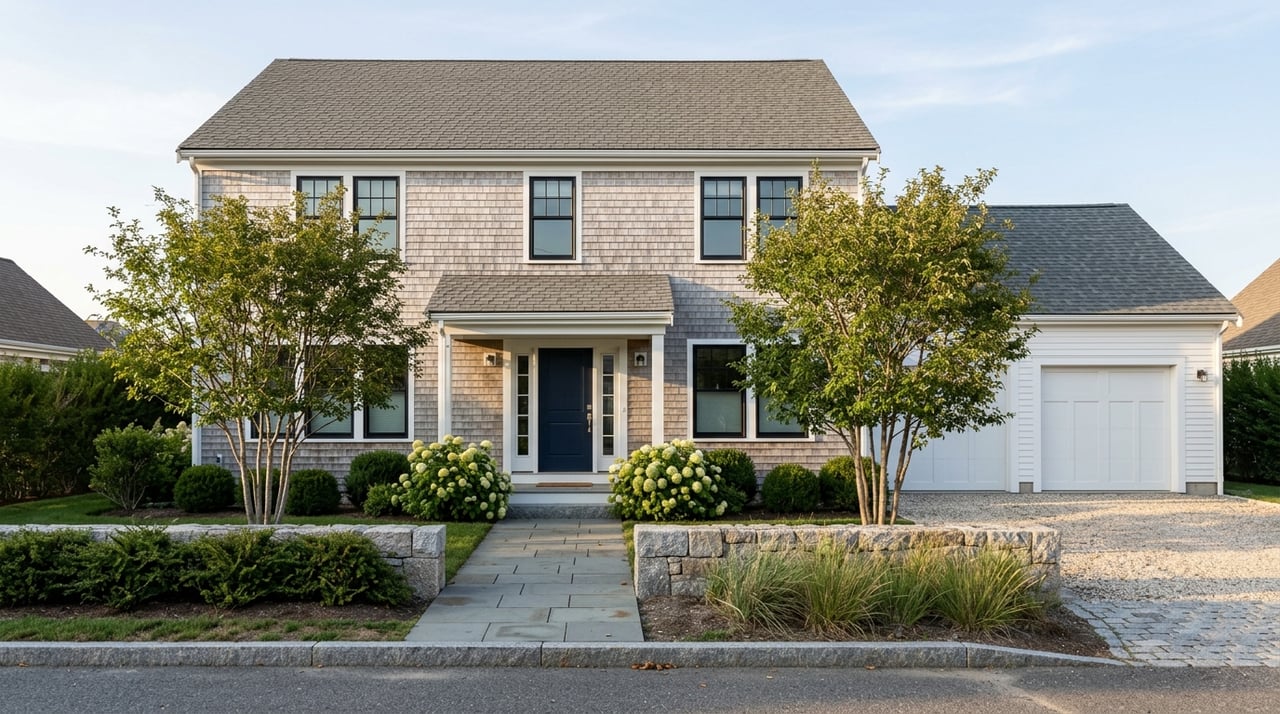
South Portland offers a real mix of housing types. A city housing assessment found that the housing stock historically leaned single-family, with about 6,884 single-family units and 3,953 multifamily units in 2019, while also noting a gradual increase in owner-occupied multifamily housing such as condos.
For you as a buyer, that means the search may include more than detached homes. Depending on your budget and goals, you may find condos, rentals near village and commercial centers, and older single-family homes in established residential areas.
Current Census estimates show that 58.1% of housing units are owner-occupied. The median value of owner-occupied housing units is $441,200, which helps set expectations if you are comparing South Portland to nearby towns in Southern Maine.
Cost of Living and Ownership Costs
Home price is only part of the picture here. Census data shows median selected monthly owner costs of $1,938 with a mortgage, and median gross rent is $1,812.
Property taxes are also worth factoring into your budget. South Portland’s FY26 property tax rate is 13.65 mills per $1,000 of value, so your monthly carrying costs can matter just as much as your purchase price when you compare homes.
That matters even more in a market where housing types can vary from inland neighborhoods to coastal properties. A smart buying plan in South Portland is usually about the full monthly picture, not just the list price.
Commuting and Getting Around
South Portland is closely tied to Portland, which is one reason it appeals to so many buyers. City planning materials identify the Casco Bay Bridge as a direct connection to Portland, and the city also includes Interstate 295, the Maine Turnpike, and U.S. Route 1.
For many residents, that means you can live in a coastal setting without feeling cut off from job centers, services, or surrounding communities. Census data puts the mean travel time to work at 17.1 minutes, which points to generally manageable commute routines.
Bus service is now run by Greater Portland Metro. According to the city, the switch took effect on December 29, 2024, and South Portland routes kept the same schedules at the time of the merger.
Walking, Biking, and Outdoor Movement
South Portland also offers more active transportation options than some buyers expect. The Thornton-Cash Neighborhood Byway was designed to create a safer route for walking, biking, and scootering to the middle school.
The Greenbelt Walkway is another major asset. It provides an off-road route across parts of the city, connecting Wainwright to Bug Light Park and passing Mill Creek Park along the way.
If you value being able to move around without always getting in the car, that can be a meaningful quality-of-life benefit. It also adds to the city’s balance of convenience and outdoor access.
Shopping and Everyday Convenience
One of South Portland’s strongest practical advantages is shopping access. The Maine Mall describes itself as a destination for fashion, housewares, and electronics, and the city describes it as northern New England’s largest shopping complex.
That kind of retail concentration shapes everyday life more than many people expect. It means errands, household shopping, and routine needs can often be handled close to home.
For buyers moving from quieter towns, this can feel like a major convenience upgrade. For buyers leaving denser areas, it can offer a more suburban rhythm without losing access to services.
Schools and Local Learning Options
South Portland’s school system includes five neighborhood elementary schools, a middle school, one public high school, and adult education. The district says a new middle school opened in fall 2023.
The city is also home to Southern Maine Community College. For many households, having local education options adds to the city’s everyday functionality and long-term appeal.
When you are choosing where to live, it helps to know that South Portland offers a clear school structure within the city itself. That can make day-to-day planning feel more straightforward.
Waterfront Living Is a Real Part of Life
In South Portland, the waterfront is not just something you visit once in a while. It is part of the city’s identity and part of what draws many people to the area.
Willard Beach is a four-acre sand-and-pebble beach with a bathhouse, restrooms, a snack bar, and access to the Spring Point Shoreway Trail. Bug Light Park offers harbor views, a lighthouse, picnic areas, and a boat launch.
These spaces give residents simple ways to enjoy the coast during a normal week, not just on special occasions. That is a big reason the city feels different from an inland suburb.
Coastal Benefits Come With Coastal Realities
Living near the water has clear appeal, but it also comes with practical considerations. The city tests Willard Beach water twice per week during beach season and warns against swimming near the stormwater outfall.
South Portland is also actively working on flood, stormwater, and heat resilience through its Coastal Resilience Overlay Zone and related planning efforts. The January 2024 storms damaged Willard Beach and Bug Light Park, which shows why resilience planning matters here.
If you are buying in South Portland, this is part of the conversation to have early. Coastal living can be rewarding, but you also want to understand maintenance, location-specific exposure, and long-term property considerations.
Who South Portland Fits Best
South Portland can be a strong fit if you want a coastal Maine lifestyle that still feels practical. It especially stands out for buyers who want shoreline access, neighborhood variety, easy access to Portland, and a broader mix of housing options than some nearby coastal communities offer.
It can also make sense if you want a location that supports both routine and recreation. You can run errands, commute, enjoy parks and waterfront spaces, and still feel connected to the larger Greater Portland area.
For many buyers, that balance is the whole point. South Portland is not just scenic. It is usable, connected, and easier to live in day after day than its coastal setting might suggest.
If you are thinking about buying in South Portland or comparing it with nearby coastal towns, working with someone who understands both the lifestyle side and the numbers side can make the search a lot easier. If you want practical guidance on neighborhoods, housing options, and what fits your goals, reach out to Shivam Kumar.
FAQs
What is daily life like in South Portland, Maine?
- Daily life in South Portland blends coastal access with practical convenience, including neighborhood variety, shopping, commuter routes, and public waterfront spaces.
What kinds of homes are available in South Portland, Maine?
- South Portland includes a mix of single-family homes, multifamily housing, condos, and rentals, with housing options spread across village areas, commercial centers, and established residential neighborhoods.
What is the commute like from South Portland, Maine?
- South Portland has strong connections to Portland through the Casco Bay Bridge, Interstate 295, the Maine Turnpike, and U.S. Route 1, and the mean travel time to work is 17.1 minutes.
What makes South Portland, Maine appealing for buyers?
- Many buyers are drawn to South Portland for its shoreline access, neighborhood identity, strong shopping convenience, and easier access to Portland compared with some other coastal communities.
What should buyers know about living near the water in South Portland, Maine?
- Buyers should know that coastal living in South Portland offers beach and harbor access, but it also comes with considerations related to stormwater, flooding, resilience planning, and ongoing property upkeep.